
Introduction
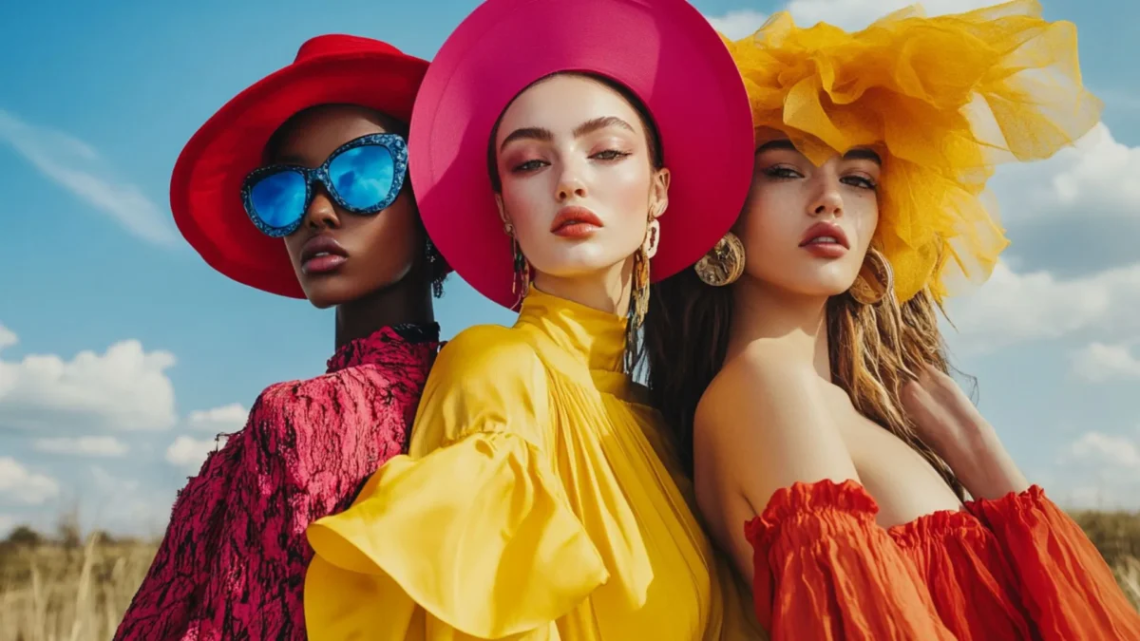
Fashion is much more than clothing. It is a powerful form of self-expression that reflects personality, culture, creativity, and social trends. Throughout history, fashion has evolved alongside civilization, influencing how people present themselves and how societies define beauty, identity, and status. Today, fashion is a global industry worth billions of dollars, connecting designers, manufacturers, retailers, influencers, and consumers across the world.
Modern fashion is dynamic and constantly changing. New trends emerge every season, while timeless styles continue to inspire wardrobes for generations. Whether someone prefers classic elegance, casual comfort, streetwear, or luxury fashion, personal style has become an important way to communicate individuality without speaking a word.
What Is Fashion?
Fashion refers to the popular styles of clothing, footwear, accessories, hairstyles, makeup, and lifestyle choices that are widely accepted during a particular period. While trends may change quickly, fashion is ultimately about expressing personal taste and confidence.
Fashion is influenced by many factors, including culture, history, technology, celebrities, social media, climate, and economic conditions. Designers often draw inspiration from art, architecture, nature, music, and global traditions to create unique collections that capture the imagination of consumers.
The Importance of Fashion
Fashion plays a significant role in everyday life. Beyond appearance, it influences confidence, communication, and even professional opportunities.
Some of the major benefits of fashion include:
- Encouraging self-expression and creativity.
- Building confidence through personal style.
- Reflecting cultural heritage and traditions.
- Supporting millions of jobs worldwide.
- Driving innovation in textiles and design.
- Boosting economic growth through retail and manufacturing.
- Inspiring artistic and creative industries.
The way people dress often creates first impressions and communicates aspects of their personality, profession, or lifestyle.
Different Types of Fashion
Fashion includes a wide variety of styles designed to suit different occasions and preferences.
Casual Fashion
Casual fashion emphasizes comfort while maintaining a stylish appearance. Jeans, T-shirts, sneakers, hoodies, and comfortable dresses are common choices for everyday wear.
Formal Fashion
Formal fashion is appropriate for business meetings, weddings, award ceremonies, and other special events. Suits, tuxedos, evening gowns, dress shoes, and elegant accessories define this style.
Street Fashion
Street fashion originates from urban culture and youth movements. Oversized clothing, graphic T-shirts, sneakers, denim jackets, and bold accessories characterize this trend.
Luxury Fashion
Luxury fashion focuses on premium craftsmanship, exclusive materials, and iconic designer brands. High-quality fabrics, detailed tailoring, and limited collections distinguish luxury products from mass-market clothing.
Sustainable Fashion
Sustainable fashion encourages environmentally responsible production and ethical business practices. Brands use recycled materials, organic fabrics, fair labor standards, and eco-friendly manufacturing processes to reduce environmental impact.
The Evolution of Fashion
Fashion has changed dramatically throughout history. Ancient civilizations used clothing to represent social status, occupation, and cultural identity. During the Renaissance, elaborate garments symbolized wealth and power, while the Industrial Revolution made fashionable clothing more accessible through mass production.
The twentieth century introduced countless fashion movements, from elegant tailoring and glamorous evening wear to rebellious street styles and minimalist designs. Today, digital technology allows trends to spread worldwide within hours through social media platforms, online stores, and fashion influencers.
Fashion and Personal Identity
Fashion allows individuals to express who they are without saying a word. Clothing choices often reflect personality, mood, beliefs, profession, and cultural background.
Some people prefer classic styles with neutral colors, while others enjoy experimenting with bold patterns, vibrant colors, and unique accessories. Personal style evolves over time as individuals gain new experiences, explore different cultures, and adapt to changing lifestyles.
Rather than following every trend, many fashion experts encourage people to develop a wardrobe that reflects their individuality and supports their daily activities.
The Role of Technology in Fashion
Technology has transformed the fashion industry in remarkable ways.
Online shopping allows consumers to browse thousands of products from around the world without leaving home. Artificial intelligence helps retailers recommend clothing based on customer preferences and purchase history.
Virtual fitting rooms enable shoppers to visualize how garments may look before buying them. Three-dimensional design software helps fashion designers create digital prototypes, reducing production costs and material waste.
Social media platforms have also changed how fashion trends spread. Designers, influencers, and brands can showcase new collections instantly, reaching global audiences within minutes.
Sustainable Fashion: A Growing Movement
As environmental awareness increases, sustainable fashion has become one of the industry’s most important trends.
Consumers are becoming more interested in purchasing durable, ethically produced clothing instead of fast-fashion items designed for short-term use. Sustainable fashion encourages responsible consumption by promoting quality over quantity.
Many clothing companies now focus on:
- Organic cotton production.
- Recycled fabrics.
- Reduced water consumption.
- Ethical labor practices.
- Environmentally friendly packaging.
- Clothing recycling programs.
Choosing sustainable fashion helps reduce pollution, conserve natural resources, and support fair working conditions.
Tips for Building a Stylish Wardrobe
Creating a fashionable wardrobe does not require purchasing expensive clothing. Smart planning and thoughtful choices can help anyone develop a timeless personal style.
Helpful fashion tips include:
- Invest in high-quality basic clothing.
- Choose colors that complement your skin tone.
- Prioritize comfort alongside appearance.
- Select clothing that fits properly.
- Add accessories to enhance simple outfits.
- Mix classic pieces with modern trends.
- Maintain clothing through proper care.
- Avoid buying items solely because they are fashionable.
A balanced wardrobe combines versatility, comfort, and personal expression.
Fashion Industry Challenges
Despite its creativity and economic importance, the fashion industry faces several challenges.
Fast fashion contributes to textile waste and environmental pollution. Counterfeit products affect brand reputation and consumer trust. Supply chain disruptions, changing consumer preferences, and increasing production costs also create challenges for manufacturers and retailers.
To address these issues, many companies are investing in sustainable production methods, digital innovation, and transparent supply chains that prioritize ethical sourcing and environmental responsibility.
The Future of Fashion
The future of fashion will likely be shaped by sustainability, technology, and personalization. Artificial intelligence will help brands predict trends and improve inventory management. Smart textiles with built-in technology may offer new functions such as temperature regulation and health monitoring.
Consumers are also expected to demand greater transparency regarding how clothing is designed, manufactured, and distributed. Digital fashion, virtual clothing, and customized designs may become increasingly popular as technology continues to evolve.
Conclusion
Fashion is far more than seasonal trends or designer labels. It is an art form, a cultural expression, and a powerful way for individuals to communicate their identity and creativity. As the fashion industry continues to evolve, innovation and sustainability will play increasingly important roles in shaping its future.
By making thoughtful clothing choices, embracing personal style, and supporting responsible fashion practices, individuals can enjoy fashion while contributing to a more sustainable and inclusive world. Whether classic or contemporary, fashion remains an enduring reflection of human creativity, confidence, and culture.

